Questions? Call us:
023 811 12681EN
Break down design barriers and grow your business with manufacturing available for you. Create and adapt.
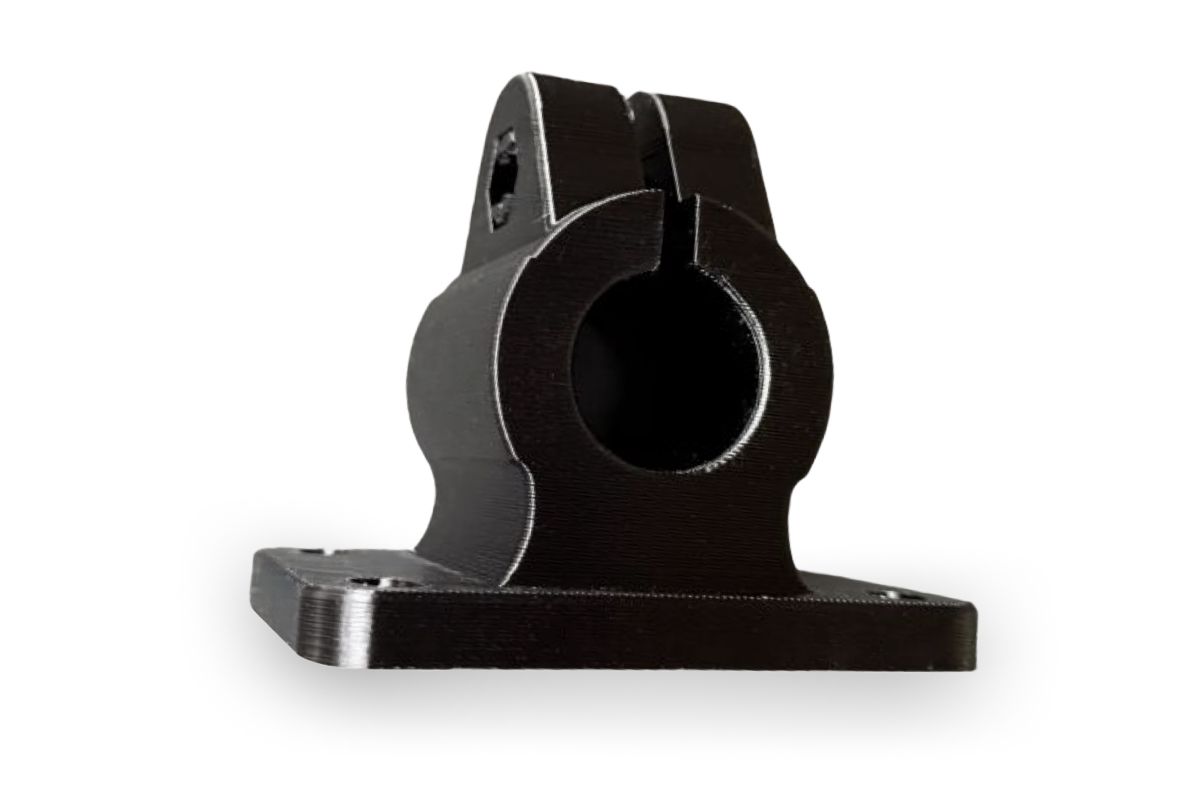
Upload your CAD files, Receive your customized custom Fused Deposition Modeling (FDM) printing quote. Choose from a variety of process materials to suit your needs.
PET
(Polyethylene Terephthalate) filament is one of the most widely used thermoplastics in 3D printing. Known for its strength, flexibility, and excellent layer adhesion, PET is ideal for functional prototypes, mechanical parts, and everyday prints. Its durability and impact resistance make it a
popular choice for projects requiring long-term use.
Excellent Printing Performance,
PET filament provides smooth extrusion and reduces the risk of warping, ensuring consistent results across various print sizes. Its natural transparency allows for clear or translucent finishes, while it can also be easily colored for custom applications. PET is less brittle compared to PLA,
making it more forgiving under mechanical stress, yet easier to print than ABS.
Safe and Functional Applications,
Another key advantage of PET is its food-safe properties (when certified), making it suitable for containers, bottles, and kitchen tools. It is also resistant to moisture and common chemicals, which enhances its usability in outdoor and industrial applications.
With PET filament, you can combine strength, aesthetics, and reliability in your projects.
STRENGTHS
Lead Time 3 days, Low-cost, good quality
WEAKNESSES
Print layers are likely to be visible


For example: a product with dimensions of 50x50x100 mm can be ±0.5% with a lower limit of ±050 mm (±0.020″) bigger or smaller in any direction.
PET is not biodegradable and can persist in the environment for over 450 years, which raises environmental concerns regarding its disposal.
Absolutely. PET is fully recyclable, which is why it is widely used in manufacturing bottles and containers that are often recycled in large volumes.
Yes, PET is hygroscopic, meaning it readily absorbs moisture from the air. This can lead to issues during printing, such as filament brittleness, layer gaps, or weak prints. To avoid these problems, it is essential to store PET filament in a sealed, dry container and to dry it properly before use.
While PLA is generally cheaper (around £15-20 per kg), PET offers superior mechanical strength, making it more rigid and durable than PLA.
PLA+ is more flexible and affordable than PET and is made from biodegradable materials. However, PLA+ adheres poorly to the print bed, unlike PET. Additionally, PET is safe for food-contact applications and has better heat resistance, whereas PLA+ tends to weaken at higher temperatures.
PETG is a modified version of PET with added glycol, which alters its chemical properties. PET tends to crystallise, providing greater rigidity and dimensional accuracy, while PETG is amorphous and generally less rigid, offering different performance characteristics in 3D printing.
Advantages of PET Filaments: PET offers a strong yet cost-effective material option. Its excellent chemical resistance, combined with thermal durability and mechanical robustness, makes PET ideal for applications like food packaging and beverage bottles. Being fully recyclable, PET helps reduce environmental impact through widespread recycling efforts. PET filaments are naturally transparent but can be easily dyed to achieve various colours and finishes. Unlike ABS, PET does not release unpleasant or harmful odours during printing. Disadvantages of PET Filaments: The crystalline structure of PET results in lower moldability and strength compared to more flexible polymers. PET is susceptible to warping if temperature control within the printing chamber is uneven. Exposure to moisture causes PET to become brittle, so it requires careful storage in airtight, dry conditions. Printing with PET demands slower print speeds to ensure each layer cools adequately, promoting smooth surface quality and proper layer adhesion.
IP protection is what most people are worried about when it comes to 3D printing because we get orders in which we have to copy the original design precisely.
We uphold strict confidentiality by default for all customer communication, projects, and models. Should you prefer a formal agreement, we offer standard NDAs or can review your own. Your trust is our priority.
Parts in as Fast in 3 business days
Get Instant Quote
Subscribe for workflow updates and insights.
Review our privacy policy for details.

Our website use cookies. By continuing navigating, we assume your permission to deploy cookies as detailed in our Privacy Policy.
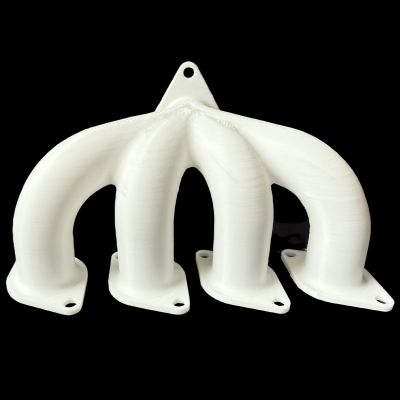


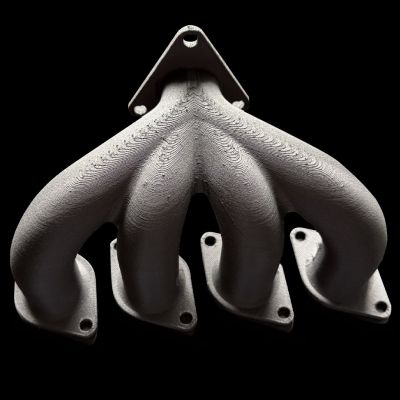





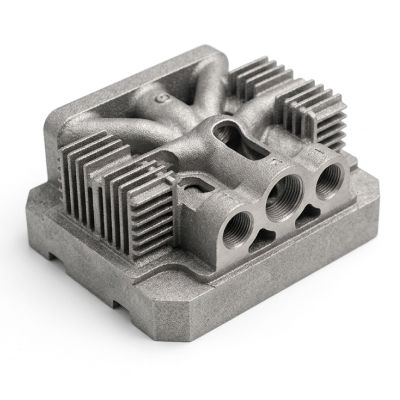


![Nylon 12/PA [SLS]](https://cdn.prod.website-files.com/5e1b724edb4d525389fc347f/6623c1e1ca3e7be3c3df94c1_Nylon%2012%20%5BSLS%5D.jpg)


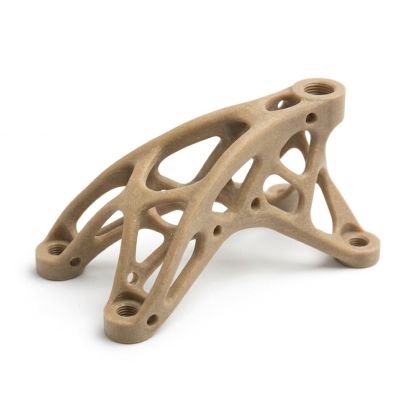

![Nylon12/PA [MFJ]](https://cdn.prod.website-files.com/5e1b724edb4d525389fc347f/6623c20d330fd69fdde60af7_Nylon%20PA%2012%20%5BMJF%5D.jpg)
.jpg)