Questions? Call us:
023 811 12681EN
Break down design barriers and grow your business with manufacturing available for you. Create and adapt.

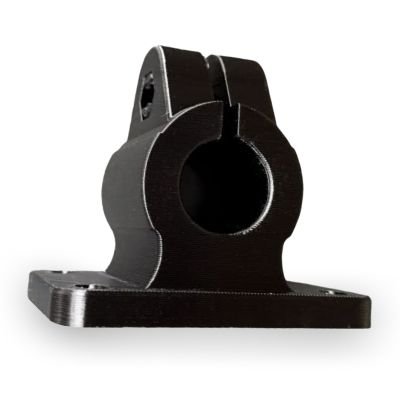
Upload your CAD files, Receive your customized custom Fused Deposition Modeling (FDM) printing quote. Choose from a variety of process materials to suit your needs.
This advanced metal 3D printing
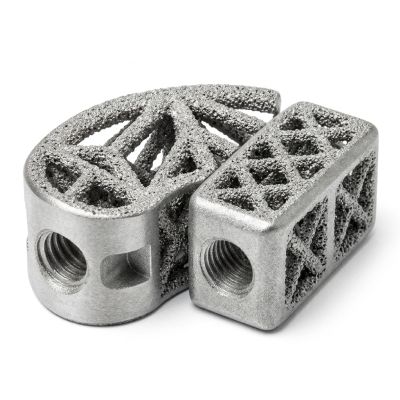
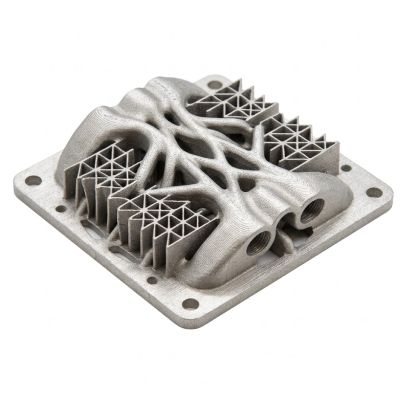
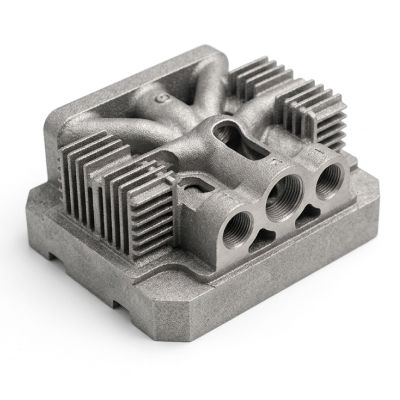
process builds parts layer by layer by fully melting metal powder with a high-powered laser. It allows for the production of complex, high-precision components with excellent structural integrity, making it
ideal for intricate and demanding designs.
Stainless Steel 316L
is commonly used in SLM due to its outstanding corrosion resistance, mechanical strength, and thermal stability. Its low carbon content also makes it highly weldable and
reduces the risk of cracking or deformation during processing.
Parts produced with SLM using 316L
are ideal for demanding applications in industries such as aerospace, medical, marine, and chemical processing,
where both performance and reliability are critical.
STRENGTHS
Lead Time 2 weeks, Low-cost, good quality
WEAKNESSES
Limited dimensional accuracy


Yes, stainless steel can be 3D printed using advanced metal additive manufacturing methods like Selective Laser Melting (SLM) and Direct Metal Laser Sintering (DMLS). These technologies melt fine stainless-steel powder layer by layer to create precise, complex, and fully dense metal parts. Stainless Steel 316L is one of the most commonly used materials due to its excellent corrosion resistance, mechanical strength, and weldability, making it ideal for aerospace, medical, marine, and industrial applications.
Stainless steel can be printed using powder bed fusion technologies such as SLM and DMLS, which offer the highest accuracy and strength. It can also be printed with filament-based systems and binder jetting, which provide safer handling and easier operation but may require additional steps like sintering. Each technology offers different benefits, from superior mechanical performance to lower operating costs and greater user accessibility.
3D printed stainless steel, especially 316L manufactured through SLM or DMLS, delivers excellent strength, durability, and density comparable to or surpassing traditionally manufactured steel. These parts can withstand high stress, resist corrosion, and maintain stability under heat. The final strength depends on printing parameters, layer thickness, and post-processing, but when produced correctly, the results are robust, reliable metal components suited for demanding engineering environments.
The strength and durability of stainless-steel prints depend on several factors, including laser settings, layer thickness, printing orientation, and part design. Post-processing methods such as heat treatment, polishing, and sintering also significantly improve density, hardness, and surface quality. With proper optimisation, printed parts achieve high mechanical performance and corrosion resistance for industrial applications.
3D printing stainless steel allows engineers to create intricate geometries, internal channels, and lightweight structures that are difficult or impossible to make using machining or casting. It reduces material waste, eliminates the need for tooling, and is cost-effective for small batches or custom parts. These benefits make it ideal for prototypes, functional components, and complex engineering designs.
Post-processing is essential to achieve full strength, density, and surface quality. Steps such as support removal, sintering (when required), polishing, grinding, or heat treatment ensure the part reaches its intended mechanical performance and corrosion resistance. These processes help achieve smooth finishes and precise tolerances that match or exceed traditional manufacturing standards.
Quality control ensures that each printed part meets strict industrial standards by checking for porosity, cracks, dimensional accuracy, and surface defects. Through advanced inspection and testing, manufacturers verify tensile strength, hardness, and corrosion resistance. Consistent quality control helps guarantee that stainless steel components are reliable for use in demanding sectors such as aerospace, automotive, medical, and marine industries.
IP protection is what most people are worried about when it comes to 3D printing because we get orders in which we have to copy the original design precisely.
We uphold strict confidentiality by default for all customer communication, projects, and models. Should you prefer a formal agreement, we offer standard NDAs or can review your own. Your trust is our priority.
Parts in as Fast in 14 business days
Get Instant Quote
Subscribe for workflow updates and insights.
Review our privacy policy for details.

Our website use cookies. By continuing navigating, we assume your permission to deploy cookies as detailed in our Privacy Policy.
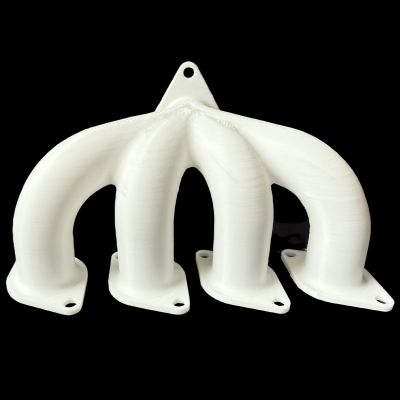


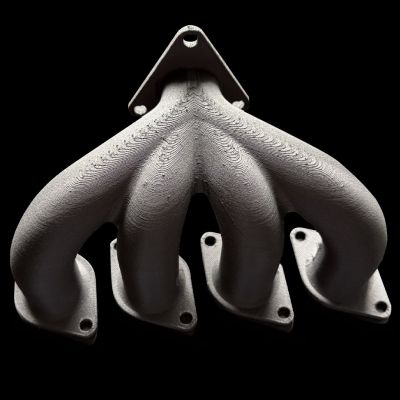
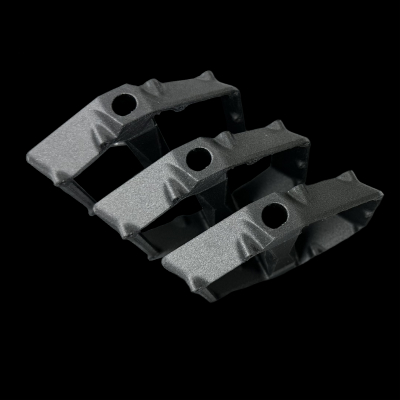







![Nylon 12/PA [SLS]](https://cdn.prod.website-files.com/5e1b724edb4d525389fc347f/6623c1e1ca3e7be3c3df94c1_Nylon%2012%20%5BSLS%5D.jpg)


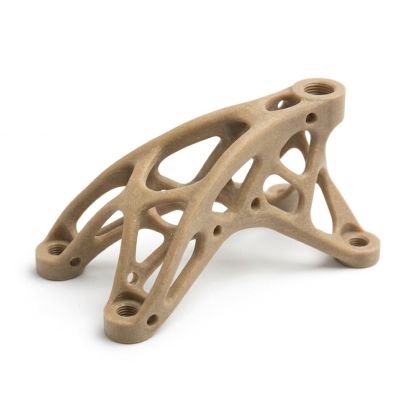

![Nylon12/PA [MFJ]](https://cdn.prod.website-files.com/5e1b724edb4d525389fc347f/6623c20d330fd69fdde60af7_Nylon%20PA%2012%20%5BMJF%5D.jpg)
.jpg)